
Choosing a shake
Protein Shakes While Breastfeeding: How to Choose

Published
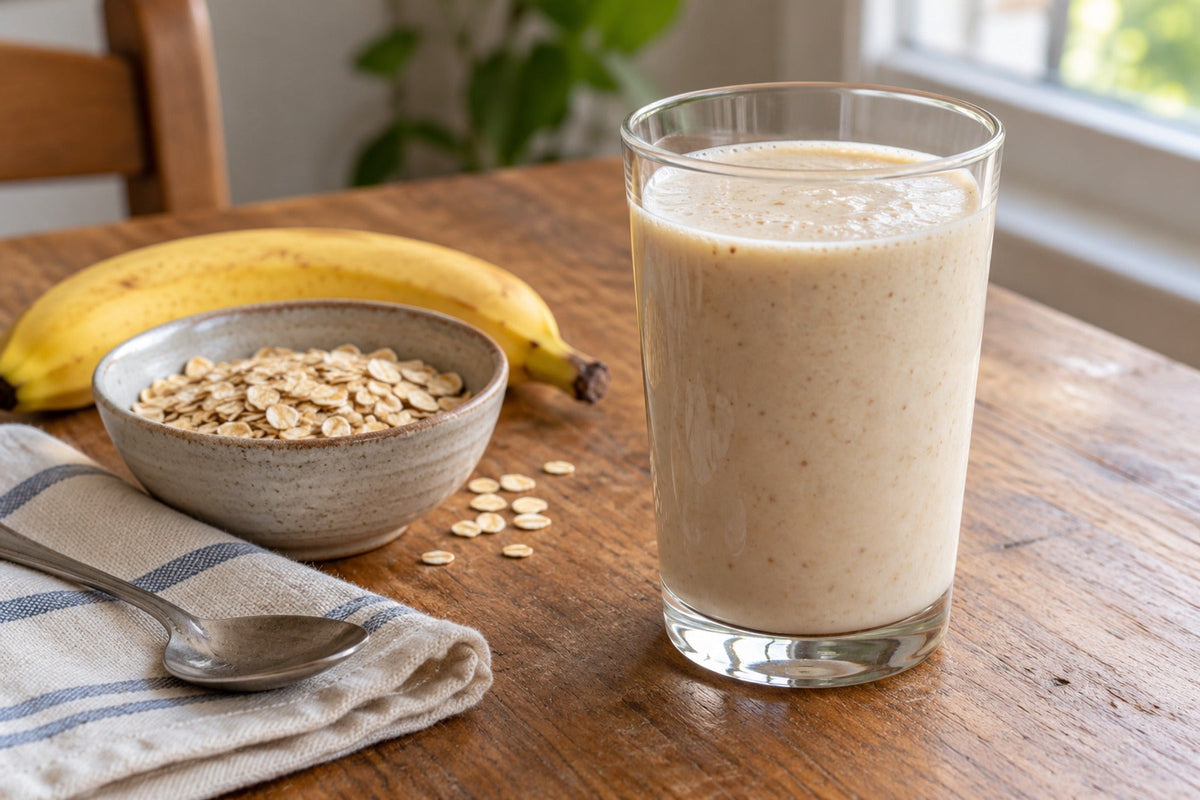
When you’re breastfeeding or pumping, a protein shake can be one less thing to think about when you need to keep yourself nourished. Maybe you need something you can drink with one hand during a feeding or blend into a breakfast smoothie when the morning sneaks by.
But with so many options, choosing among protein shakes while breastfeeding can raise a few questions. What actually makes one a good choice? As a dietitian, I’m here to help make choosing one simpler. Here’s what to know.
In this guide
Can You Drink Protein Shakes While Breastfeeding?
Yes, you can drink protein shakes while breastfeeding, but whether a particular product is a good choice for you and your baby depends on its ingredients and quality.
A protein shake should also supplement other protein-rich foods, like eggs, yogurt, tofu, beans, lentils, meat, fish, nuts, and seeds, which provide protein along with other nutrients. A shake is simply a convenient way to get more protein when regular meals and snacks don’t fit neatly into your day.
Still, the National Institutes of Health (NIH) advises caution with dietary supplements beyond a standard prenatal supplement while nursing. (1) It’s best to consult your doctor before taking any new supplement, especially if you’re unsure about certain ingredients or take medications.
Protein Shake vs. Nutrition Shake: What’s the Difference?
If you’re looking for a convenient way to get more protein while breastfeeding, a protein shake is quick and easy to grab. You may also come across nutrition or meal replacement shakes, which look similar but are designed to provide more than protein.
Nutrition shakes typically provide a broader mix of protein, carbohydrates, fat, fiber, vitamins, and minerals—more of what you’d normally get from a meal. Calories can still vary, so if you’re using one in place of a meal, make sure it provides enough calories to serve as one. I often recommend at least 300 to 400 calories for a meal replacement.
Protein shakes primarily provide protein, making them easy to add to a meal or snack or use to fill a protein gap. You can also make a protein shake more substantial with little prep. Pair it with a banana or whole-grain toast with nut butter, or blend it with frozen fruit, oats, and yogurt for something closer to a meal.
If you choose a fortified nutrition shake, compare the vitamins and minerals on the label with your prenatal, postnatal, or other supplements to see where nutrients overlap.
What to Look for In a Protein Shake While Breastfeeding
Look for a shake with a useful amount of protein, then check the ingredient list for caffeine, herbs, or added vitamins and minerals, and see what the company shares about contaminant testing.
Protein Amount and Source
For a protein shake, I generally recommend around 20 to 30 grams per serving. That’s enough to meaningfully contribute to your daily protein needs.
Whey, casein, egg, and soy are complete proteins, meaning they provide all nine essential amino acids your body can’t make on its own. If you prefer a plant-based shake, soy is a complete protein on its own, while other products may combine sources such as pea and rice to provide a broader mix of essential amino acids.
Unless your doctor advises otherwise, you don’t need to avoid dairy, soy, or other common allergens just because you’re breastfeeding. The Centers for Disease Control and Prevention (CDC) recommends eating a varied diet over cutting out specific foods and food groups, so choose a protein source you enjoy, tolerate well, and that fits your dietary preferences. (2)
Caffeine, Herbs, and Other Extras
Check the ingredients label for herbs and other added ingredients. Many herbs haven’t been well studied during breastfeeding, so information on their safety or effects on a nursing baby is limited.
Also check for caffeine, especially with coffee-flavored options like mocha. The CDC recommends keeping caffeine intake to about 300 milligrams or less per day while breastfeeding. Younger and premature infants break down caffeine more slowly, so lower caffeine intake may be appropriate, especially in the early months. (2)
If you start your morning with coffee and have a caffeinated shake later, count both—along with caffeine from tea, chocolate, and other sources—toward your daily total.
Heavy Metals and Contaminant Testing
Heavy metals can make their way into foods through soil, water, and other environmental sources, including ingredients that end up in protein powders.
In a 2025 Consumer Reports (CR) investigation, more than two-thirds of the 23 protein powders and shakes tested contained more lead per serving than CR’s daily level of concern. (3) That benchmark isn’t a breastfeeding-specific safety cutoff, and the findings only apply to the products and batches tested.
Since heavy-metal levels generally aren’t listed on the label, check the company’s website for testing results or a Certificate of Analysis (COA), or contact the company directly. Look for which lab performed the testing, which contaminants were tested for, and what limits the product met. Ideally, you’ll find actual results for lead, cadmium, arsenic, and mercury, including the amounts detected per serving and results for the specific batch you’re buying.
And even though NIH notes that quality seals don’t guarantee a supplement is safe or effective, third-party testing can give you another point of comparison. (1)
Taste and Texture
A shake can check every nutrition box but still not be a good fit if you don’t enjoy drinking it. Flavor, sweetness, thickness, and texture can vary quite a bit, and some plant-based powders may be thicker or grainier than whey-based options.
If you can, try a single bottle, sample packet, or smaller container before committing to a case or large tub. Customer reviews from multiple sources (other than the company’s) can also give you a sense of how a product tastes, mixes, and drinks before you buy.
Make Convenience Actually Convenient
Powder or ready-to-drink? Neither is inherently better, so think about when and where you’ll actually reach for it.
Ready-to-drink shakes require no measuring, mixing, or cleanup, making them easy to keep in your work bag or grab during a feeding. Powders take a little more prep but give you more flexibility with portion size and how you use them, whether you mix one with milk or water or add it to a smoothie or other foods.
Consider the practical details, too: Do you have room to store a case of bottles? How does each option fit into your budget? Do you need something you can toss in your bag and grab on the go?
Just remember to follow the product’s storage and refrigeration directions once you prepare or open a shake.
A Simple Way to Make Your Choice
When choosing a protein shake while breastfeeding, look for around 20 to 30 grams of protein per serving from a source you enjoy and tolerate well. Check for extras like caffeine and herbs, and see what the company shares about contaminant testing.
You should also choose a flavor and format you’ll enjoy. Maybe that’s a ready-to-drink shake you can grab from the fridge when a full meal doesn’t happen as planned, or a powder you toss into your morning smoothie. Either way, a protein shake is another tool for staying nourished during a season when your own meals can unintentionally fall to the bottom of the list.
For pregnancy-specific guidance, see our guide to protein shakes while pregnant.
FAQs
Can you drink a protein shake every day while breastfeeding?
For many breastfeeding women, a protein shake can fit into the daily diet. If you drink one regularly, consider how its protein, added nutrients, caffeine, herbs, or other ingredients fit with what you’re getting from food, drinks, and supplements. If you’re regularly using shakes because eating enough food is difficult, talk with your healthcare provider or a dietitian about ways to meet your nutrition needs.
Will a protein shake increase milk supply?
A protein shake isn’t proven to increase milk supply simply because it contains protein or is marketed to breastfeeding moms. If you’re concerned about milk supply, ask your baby’s clinician or a lactation professional to assess feeding. (4) A shake can make it easier to get protein and other nutrition into your day, but you should still address an underlying feeding or supply concern.
References:
- Office of Dietary Supplements. (2023, January 4). Office of Dietary Supplements - Dietary Supplements: What You Need to Know. National Institutes of Health. https://ods.od.nih.gov/factsheets/WYNTK-Consumer/
- Centers for Disease Control and Prevention. (2026, August 25). Maternal Diet and Breastfeeding. https://www.cdc.gov/breastfeeding-special-circumstances/hcp/diet-micronutrients/maternal-diet.html
- Martineau, P. (2025, October 14). Protein Powders and Shakes Contain High Levels of Lead. Consumer Reports. https://www.consumerreports.org/lead/protein-powders-and-shakes-contain-high-levels-of-lead-a4206364640/
- Centers for Disease Control and Prevention. (2024, December 6). Newborn Breastfeeding Basics. Infant and Toddler Nutrition. https://www.cdc.gov/infant-toddler-nutrition/breastfeeding/newborn-basics.html